伝言を残す
伝言を残す
弊社製品にご興味をお持ちで、さらに詳しい情報をお知りになりたい場合は、こちらにメッセージを残してください。できる限り早くご返信いたします。

提出する
バナー

ブログ

ブログ

How Do RFID Tags for Cattle Work? Understanding Modern Livestock Identification Technology

How Do RFID Tags for Cattle Work? Understanding Modern Livestock Identification Technology

Jun 24, 2026
マブ - ライジングバンブーCEO

この冬一番の買い物でした!色合いも編み目も素晴らしく、着心地も抜群!ニューヨークからマイアミまで、一度も脱がずに着ていました。とってもキュート!!

マブ - ライジングバンブーCEO

How Do RFID Tags for Cattle Work? A Complete Guide to Modern Livestock Identification

Cattle farming has evolved significantly with the adoption of digital technologies, and one of the most impactful innovations is Radio Frequency Identification (RFID). RFID tags for cattle have become an essential tool for livestock management, enabling farmers to track, identify, and monitor animals more efficiently than ever before. From improving herd health management to ensuring food traceability, RFID technology is transforming the cattle industry worldwide.

But how do RFID tags for cattle actually work? Understanding the technology behind these tags can help farmers, ranchers, and livestock businesses maximize their benefits.

What Are RFID Tags for Cattle?

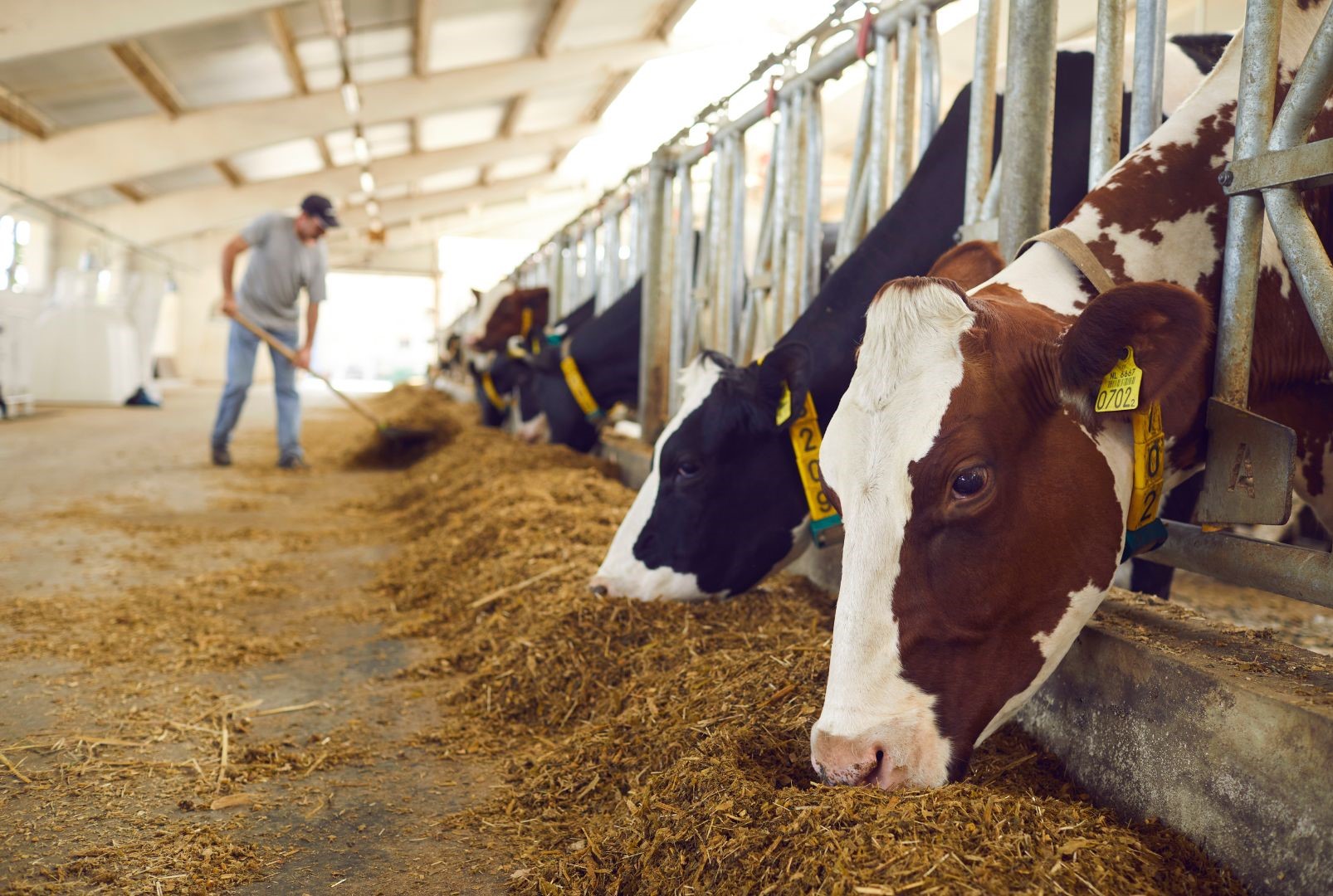
RFID tags are electronic identification devices that use radio waves to transmit information to an RFID reader. In cattle farming, these tags are typically attached to an animal's ear in the form of an RFID ear tag. Each tag contains a unique identification number that distinguishes one animal from another.

Unlike traditional visual ear tags, RFID tags do not require direct line-of-sight scanning. Information can be captured automatically and quickly, even when animals are moving through chutes, gates, or feeding stations.

An RFID cattle identification system generally consists of three components:

  • RFID tag

  • RFID reader

  • Management software or database

Together, these components create a digital identification and tracking system for livestock.

The Basic Working Principle of RFID Cattle Tags

The operation of RFID cattle tags is based on wireless communication between the tag and the reader.

When an RFID reader emits radio frequency signals, nearby RFID tags receive the energy and respond by transmitting their stored information back to the reader. The reader then sends this data to a computer, cloud platform, or livestock management system for processing.

The process occurs in just a fraction of a second and can be broken down into four steps:

Step 1: Reader Sends a Signal

An RFID reader generates radio waves through its antenna. These signals create an electromagnetic field around the reading area.

Step 2: Tag Receives the Signal

When a tagged animal enters the reader's range, the RFID tag detects the electromagnetic field.

Step 3: Tag Transmits Data

The RFID chip inside the tag sends its unique identification number back to the reader.

Step 4: Data Is Processed

The reader captures the information and transfers it to management software, where the animal's records can be accessed or updated.

This entire process happens automatically without physical contact.

Components Inside an RFID Cattle Tag

Although RFID ear tags appear simple from the outside, they contain sophisticated electronic components.

RFID Microchip

The microchip stores the animal's identification number and other data if required.

Antenna

The antenna receives radio signals from the reader and transmits information back.

Protective Housing

The chip and antenna are sealed within durable plastic housing designed to withstand harsh farm environments, including rain, mud, sunlight, and physical impact.

Because cattle spend most of their lives outdoors, RFID tags must be highly resistant to weather and wear.

Types of RFID Tags Used for Cattle

There are two main categories of RFID tags commonly used in livestock management.

Low Frequency (LF) RFID Tags

LF RFID tags typically operate at 134.2 kHz, which is the international standard for animal identification.

Advantages include:

  • Excellent performance near water and animal tissue

  • High reading accuracy

  • Widely accepted for livestock identification programs

Most national animal traceability systems use LF RFID technology.

Ultra High Frequency (UHF) RFID Tags

UHF RFID tags generally operate between 860 and 960 MHz.

Benefits include:

  • Longer reading distances

  • Faster bulk reading

  • Ability to identify multiple animals simultaneously

UHF RFID systems are increasingly being adopted in large-scale cattle operations where high-speed data collection is important.

How RFID Ear Tags Are Applied to Cattle

RFID cattle tags are usually installed in the animal's ear using a tagging applicator.

The process is similar to applying a conventional ear tag:

  1. The RFID tag is loaded into the applicator.

  2. The ear is disinfected.

  3. The tag is positioned in the recommended location.

  4. The applicator secures the tag through the ear.

Once attached, the tag remains with the animal throughout its life, providing a permanent identification method.

Proper placement is important to ensure readability and animal welfare.

What Information Can RFID Tags Store?

Most RFID cattle tags contain a unique identification number that links to a database containing detailed animal records.

These records may include:

  • Birth date

  • Breed information

  • Ownership records

  • Vaccination history

  • Medical treatments

  • Weight measurements

  • Reproductive status

  • Movement history

  • Feeding records

Rather than storing large amounts of information directly on the tag, the RFID system uses the unique ID as a key to access data stored in management software.

This approach allows unlimited record expansion while keeping tags simple and cost-effective.

Benefits of RFID Tags for Cattle Management

Improved Animal Identification

Traditional visual tags can be difficult to read from a distance and are prone to human error.

RFID provides accurate and automatic identification, reducing mistakes in recordkeeping.

Faster Data Collection

Farm workers can scan animals quickly without manually recording identification numbers.

This saves considerable time during:

  • Vaccinations

  • Weighing

  • Breeding programs

  • Health inspections

Better Disease Management

Accurate animal identification helps farmers track medical treatments and monitor disease outbreaks.

If an illness is detected, affected animals can be identified and isolated more quickly.

Enhanced Traceability

Consumers and regulators increasingly demand transparency in the food supply chain.

RFID enables complete traceability from birth to processing, helping ensure food safety and regulatory compliance.

Labor Cost Reduction

Automated identification reduces paperwork and manual data entry, lowering labor requirements and operational costs.

Improved Herd Performance

By collecting accurate data on each animal, farmers can make better decisions regarding breeding, feeding, and health management.

RFID Readers Used in Cattle Operations

Several types of RFID readers can be used depending on operational requirements.

Handheld RFID Readers

Portable readers allow workers to scan animals individually during inspections or treatments.

Fixed RFID Readers

Installed at gates, chutes, water stations, or feeding areas, fixed readers automatically capture tag data whenever cattle pass through.

Panel Readers

These readers create a larger reading zone and are commonly used in livestock handling facilities.

Modern readers can transmit data wirelessly to farm management systems, enabling real-time monitoring and reporting.

Challenges and Considerations

While RFID technology offers many advantages, farmers should consider several factors before implementation.

Initial Investment

RFID systems require investment in tags, readers, software, and infrastructure.

However, many operations achieve a strong return on investment through labor savings and improved productivity.

Tag Retention

Ear tags may occasionally be lost due to fencing, brush, or animal activity.

Choosing high-quality tags can significantly improve retention rates.

Reading Environment

Metal structures, electrical interference, and improper reader placement can affect performance.

Proper system design is essential for achieving optimal read accuracy.

The Future of RFID in Cattle Farming

The future of livestock management is becoming increasingly data-driven. RFID technology is now being integrated with:

  • Internet of Things (IoT) platforms

  • Cloud-based management systems

  • GPS tracking solutions

  • Automated weighing systems

  • Artificial intelligence analytics

  • Smart feeding technologies

These integrations allow farmers to gain deeper insights into animal behavior, health, and productivity.

As costs continue to decrease and technology becomes more advanced, RFID adoption in cattle farming is expected to grow rapidly across both small farms and large commercial ranches.

Conclusion

RFID tags for cattle work by using radio frequency communication to provide fast, accurate, and automatic animal identification. By combining RFID tags, readers, and management software, farmers can efficiently track livestock throughout their entire lifecycle.

From improving herd health and reducing labor costs to enhancing traceability and regulatory compliance, RFID technology has become a cornerstone of modern cattle management. As agriculture moves toward greater automation and data-driven decision-making, RFID systems will continue to play a critical role in helping livestock producers operate more efficiently and sustainably.

伝言を残す

伝言を残す
弊社製品にご興味をお持ちで、さらに詳しい情報をお知りになりたい場合は、こちらにメッセージを残してください。できる限り早くご返信いたします。

提出する
お問い合わせ :marketing@jtspeedwork.com

製品

whatsApp

接触